
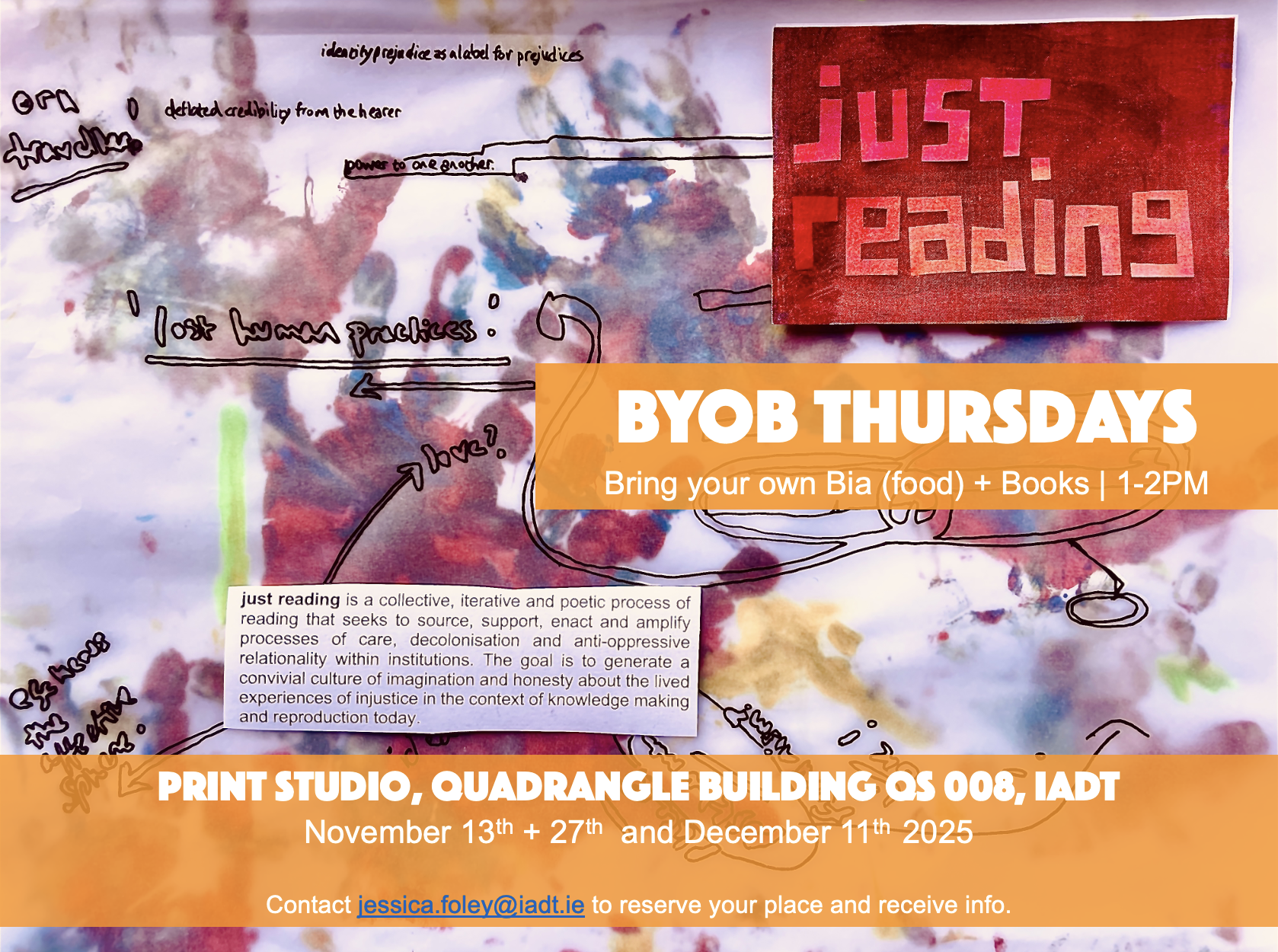
jxst reading is a reading circle inviting people working within or in relation to institutions of teaching, learning and research to come together to consider larger realities of knowing through the frame of injustice. The aim is to open up a collective, iterative and poetic process of reading that seeks to source, support, enact and amplify processes of care, decolonisation and anti-oppressive relationally within institutions. The poetic goal is to generate a convivial culture of imagination and honesty about the lived experiences of injustice in the context of knowledge making, reproduction and transformation today.
jxst reading aims to make room for people to listen, speak, make and be together, creatively and thoughtfully, through acts of reading. Forthcoming sessions will take place at lunchtimes on Thursdays (13th/27th Nov, and 11th Dec), in the Print Studio at IADT (QS 008) from 1-2PM:
CONTEXT:
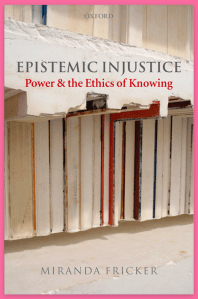
jxst reading takes as it’s starting point the book Epistemic Injustice: Power and the Ethics of Knowing, by philosopher Miranda Fricker, as a way to begin engaging creatively with images and imaginaries of knowledge and injustice. No prior knowledge or reading of this book (or philosophy in general) is necessary to participate. Many other books and textual references have come into play since the first session took place in February 2025.
Over the Spring/Summer of 2025, five sessions of jxst reading took place across IADT, TCD, and NCAD. You can read more about the context and activities so far in the short-talk below, presented at the IADT Teaching and Research Showcase in June 2025.
just reading is an initiative of poet and teacher Jessica Foley, in collaboration with and supported by the Network Ecologies Working Group at CONNECT, IADT and the Creative Futures Academy, with mentorship from Lyónn Wolf.
WHAT TO EXPECT?
Each session will be open thirty minutes before proceedings begin, you are welcome to come and settle into the space early. During the session, you are welcome to move freely as you need, come and go as you need. Each session begins with a brief introduction, followed by reading a book aloud (for starters, Epistemic Injustice by Miranda Fricker), followed by conversation about what was heard, what was read, what was experienced through the reading.
The ‘formal’ session will run for an hour, typically between 1-2pm (lunch-time), and will run something like this:
1.00pm Gather and welcome…
1.05pm Jessica introduces jxst reading, proposing some guidelines for the reading grxup, and contextualising what has happened in previous sessions.
1.20pm Jessica begins reading Epistemic Injustice aloud – some printed copies of text will be provided, you are welcome to annotate these and make notes on index cards provided.
1.40pm Jessica stops reading, opens up space for conversation.
2.00pm End.
Between 2 and 2.30pm, Jessica will remain in the space to allow for conversation to continue and to reflect on any issues and insights raised by the grxup.
JUST READING, FOR WHAT?
While there are no specific pre-determined outcomes for the reading grxup, beyond establishing interinstitutional relationship and dialogue, Jessica will be creating work throughout the process of just reading, learning from each encounter, developing new poems, writing and research questions. Whenever meaningful, she will share developments with the grxup, to foster reciprocation of insight and to open up possible collaborations or tangential developments in peoples teaching, research, learning and/or creative practice.
ACCESSIBILITY
Each session of jxst reading does not have a fixed base, and is likely to take place in different locations. Every effort will be made to ensure these locations are accessible and supportive. Please reach out if you want to attend any of these sessions and/or have particular access needs or questions: jessica.foley@iadt.ie.
SESSIONS SO FAR…

My thanks to all who came along to the second session of just reading at the O’Reilly Institute, Trinity College Dublin on Tuesday with CONNECT.
In today’s session, it was the experience of reading itself that came to the fore… when a body reads aloud to other bodies, what is that experience like? This session raised questions about how we experience time and power as we are read to… as we read-along to a text being read aloud to us… what happens to our sense of agency?
just reading is a research-creation initiative through Dún Laoghaire Institute of Art, Design and Technology in collaboration with the Network Ecologies Working Group CONNECT CentreResearch Ireland and Creative Futures Academy – the aims of just reading is manifold and emergent – but making room for conversation, questioning and challenging assumptions about ‘just what we think we are doing in knowledge making contexts?’ is a good point of departure. More to come!
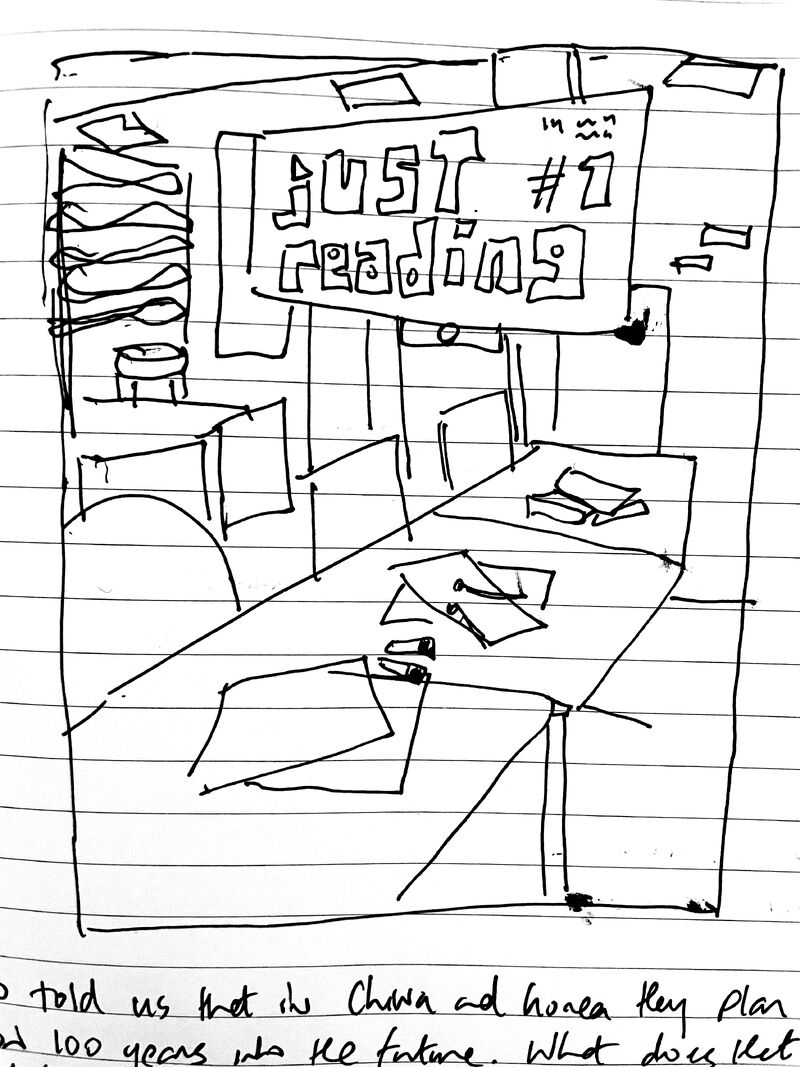
My thanks to all who came along to the very first session of just reading at IADT Library yesterday at Dún Laoghaire Institute of Art, Design and Technology in collaboration with the Network Ecologies Working Group CONNECT CentreResearch Ireland Creative Futures Academy – the aim of just reading is manifold, there are puns aplenty in this poetry of naming – but making room for conversation, questioning and challenging assumptions about ‘just what we think we are doing in higher education?’ is a good point of departure. More to come! #justreading #precariousagency
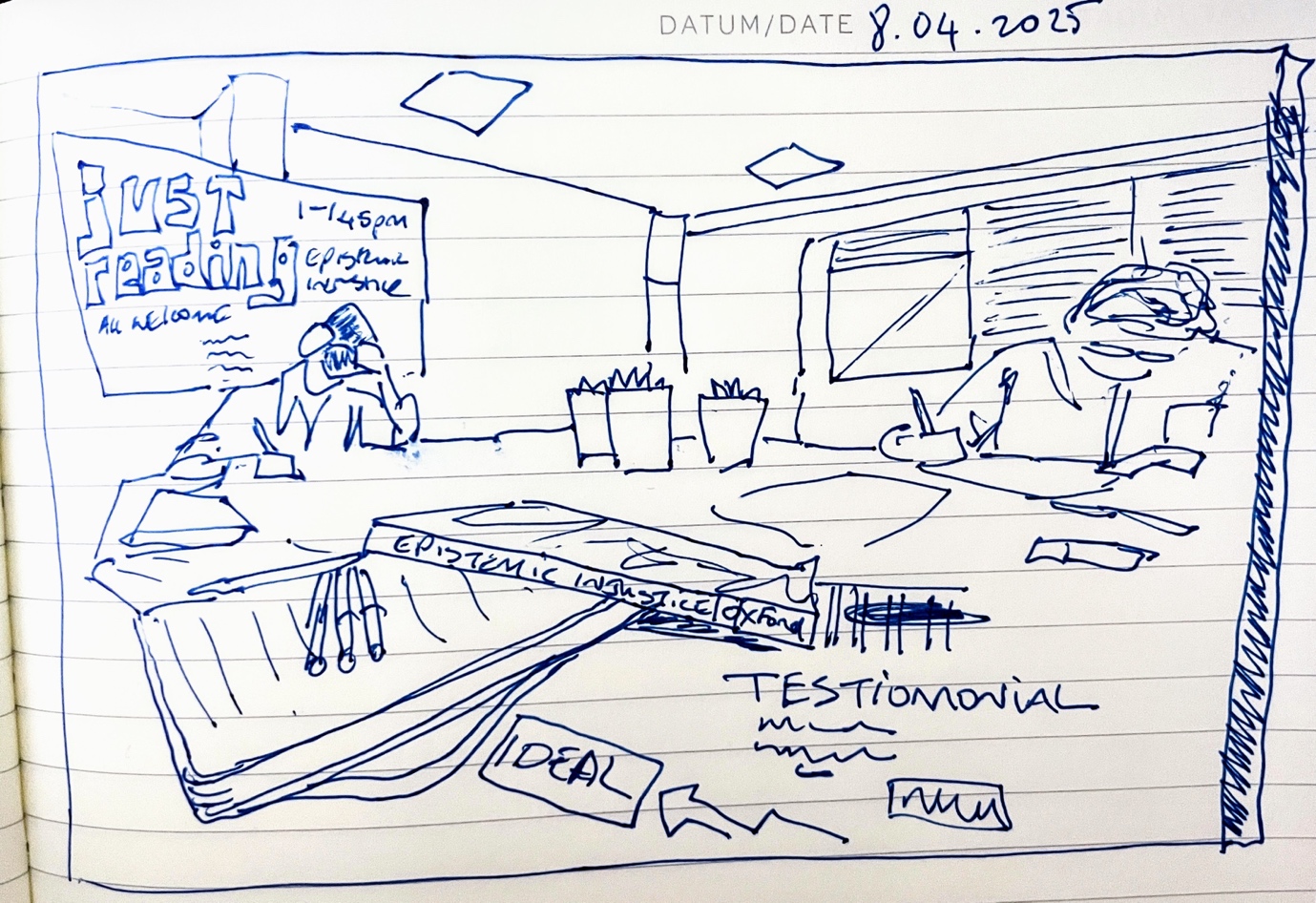
8th April, 2025, IADT Library, Dún Laoghaire
“What lenses have I on today?” asked one of the readers around the table of #justreading at IADT Library last Tuesday.
As we listened on headphones to layered readings of the first pages of Miranda Fricker’s book ‘Epistemic Injustice’, questions emerged: What do I believe because I read, because of what I read and how I read? Where can I productively and critically send my doubts in a time of disinformation, when we ask machines to read for us?
“Who gets to know about themselves, really?” asked another…
My thanks to Emma Balfe, Alex Nico-Katz, Christina Reynolds, Rachel Clarke PhD, Elsa van Helfteren and everyone who has contributed to this research-creation inquiry so far – there will be two more sessions before the Summer break.
Contact me if you are interested in getting involved.
#justreading #epistemicinjustice #ignoranceisbliss #knowledgeisbetter Dún Laoghaire Institute of Art, Design and Technology CONNECT Centre Research Ireland
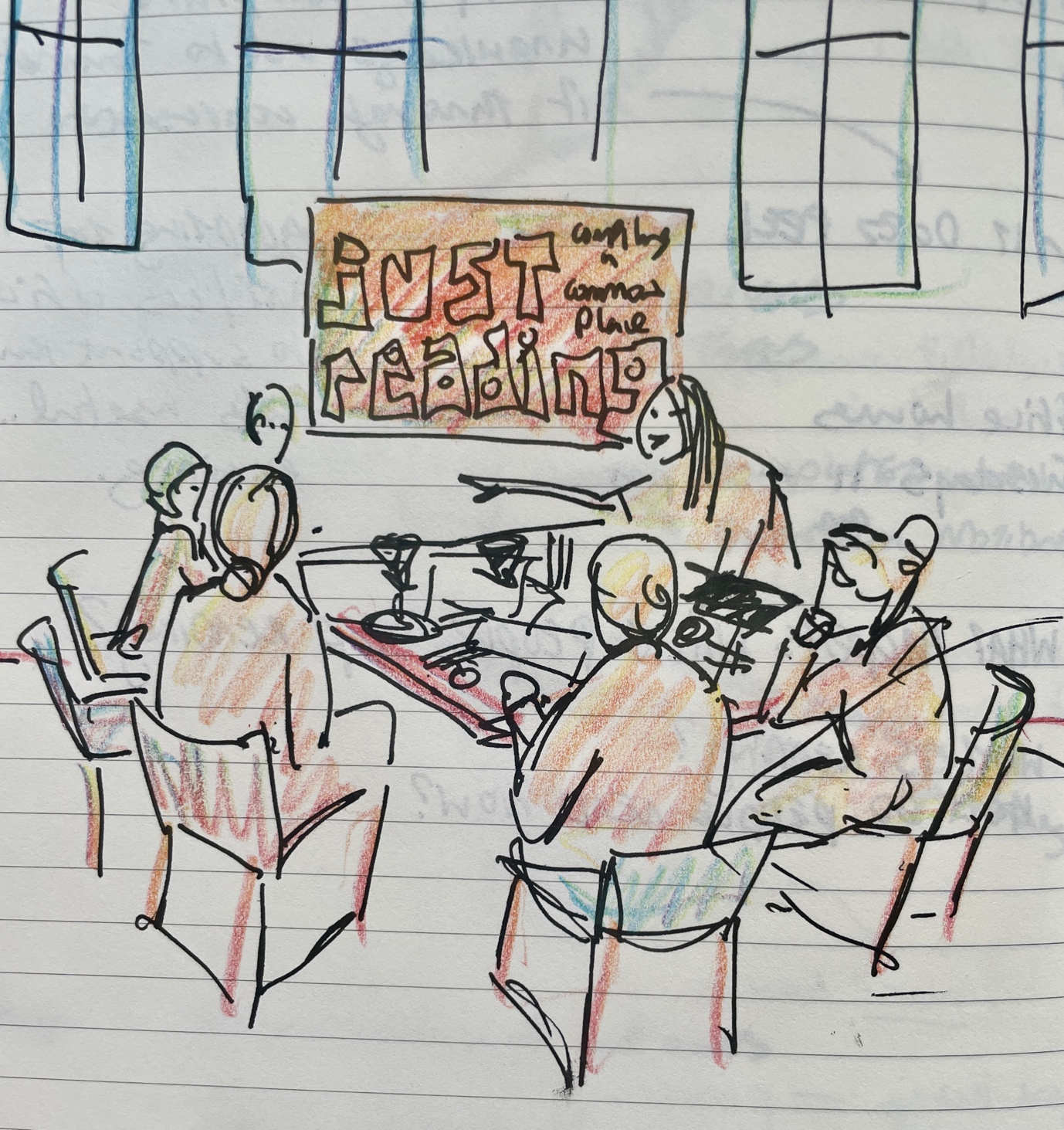
20th May, 2025 | Carnegie Library Ladies Reading Room, IADT, Dún Laoghaire
“Everything felt interrupted, slightly unsmooth —
When the emphasis in industry-focused education is on use-value, on profiting or benefitting from an attention-economy… what is the value of #justreading within this larger context?
— again and again my companions said
**this is good, this is worthwhile, I am glad to be here**
To be open, accessible; to experiment, try things out; to make time and place to notice; to mute institutional expectations; to value small-scale, engaged, durational processes; to resist ‘reaching beyond’ this.”
My thanks to all who attended #justreading at the old Carnegie Library in Dún Laoghaire last week Dún Laoghaire Institute of Art, Design and Technology – we gathered together to sift through the many texts and images that have come up through the previous #justreading sessions in IADT Library, CONNECT Centre, and National College of Art & Design.
Our purpose on this occasion was to explore making a commonplace through conversation and collage.
When I use the word commonplace, I’m referring to that tradition of bringing fragments from different sources together in a book as a way to compile and organise knowledge. But I am also thinking with the Martinican poet and philosopher Édouard Glissant, who proposes commonplace and common-place as important terms for thinking and making a world held in common.
Some sources for the commonplace that have emerged so far from the just reading sessions include Sara Ahmed, Jacques Ranciére, Jennie Stephens, Slavoj Zizek, Leah Manaema Avene, Paddy Bresnihan and Naomi Milner, Mark Fisher, Amy Sillman, Fred Moten, JK Gibson Graham — and some key words/phrases that emerged were:
‘precarious agency’, ‘lost human practices’, ‘sensitive woman reading’, ‘cultures of denial’, ‘process loss’, ‘doxastic ignorance’, ‘opacities’, ‘no more head girl’, ‘reading for difference’, ‘context is missing everywhere’, ‘knowers ark’, ‘no one will listen to me unless I have the paperwork’, ‘people create their own hermeneutical situations’.
If you are interested in learning more about #justreading please get in touch Jessica.Foley@iadt.ie
 Jessica Foley